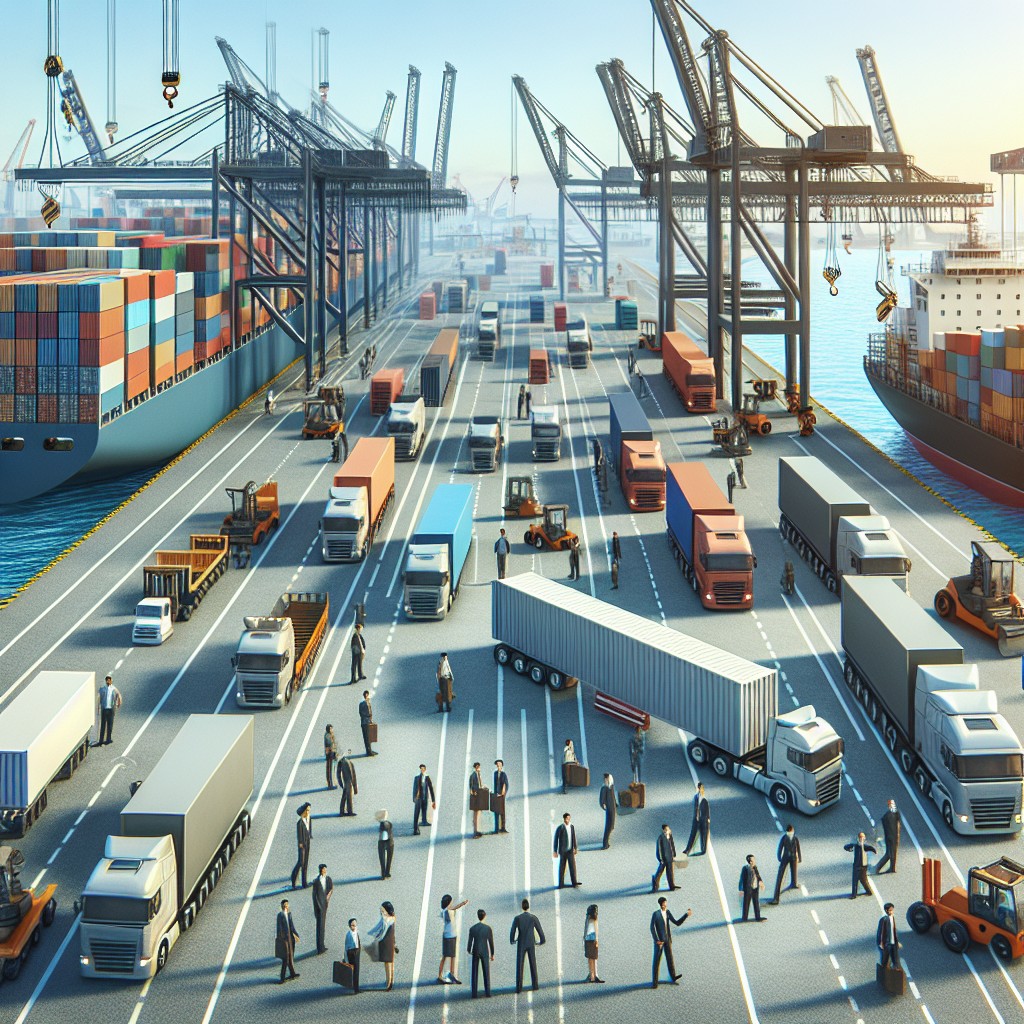
Port congestion remains a significant challenge for global supply chains, causing delays and inefficiencies without necessarily driving higher handling fees. Recent developments and strategic solutions are demonstrating that operational improvements can minimize delays without passing extra costs onto shippers and consumers.
Understanding the scope of port congestion
Port congestion refers to the buildup of vessels, containers, and cargo awaiting processing at maritime terminals, leading to extended waiting times and disrupted schedules. Key causes include surges in cargo volumes, labor shortages, infrastructure limitations, and logistical bottlenecks. According to data from leading maritime organizations, major global hubs have experienced an increase in wait times over the past years, affecting both imports and exports.
Technological innovations improving flow
One of the primary approaches to addressing port congestion involves adopting advanced technologies. Terminal operators are implementing automated container handling systems and utilizing real-time tracking and predictive analytics to coordinate vessel arrivals and cargo movements more effectively. These technologies enhance throughput without necessitating substantial increases in charges to shipping companies or importers.
Collaborative scheduling and extended operating hours
Port authorities and shipping lines have increasingly worked together to optimize scheduling, reducing idle vessel times. Extending terminal operating hours and introducing night shifts have eased peak-time pressures, distributing workloads more evenly. This collaborative effort reduces wait times substantially while maintaining current fee structures, benefiting all stakeholders in the supply chain.
Regulatory and policy measures supporting smoother operations
Regulatory bodies in key countries have reviewed policies to facilitate smoother cargo flow and reduce administrative delays. Initiatives include streamlining customs clearance procedures, enhancing data-sharing platforms, and simplifying compliance requirements. Such measures play a crucial role in alleviating port congestion impacts without imposing additional handling fees on operators.
Infrastructure enhancements without increased costs
Investments in infrastructure, such as expanding berth capacity and improving hinterland connectivity, are fundamental to long-term congestion relief. Many ports focus on incremental improvements like upgrading cranes and optimizing yard layouts rather than costly expansions. This strategy helps maintain handling fees at stable levels while improving turnaround times and operational efficiency.
Conclusion: A path forward amid ongoing challenges
Efforts to address port congestion demonstrate that cutting delays does not inherently require higher handling fees. Through technology integration, enhanced collaboration, regulatory support, and targeted infrastructure developments, ports worldwide are improving fluidity in maritime logistics. Continued focus on these pragmatic solutions is likely to sustain progress in mitigating port congestion without exacerbating costs for cargo owners and consumers.
Frequently Asked Questions about port congestion
What factors primarily cause port congestion?
Port congestion mainly results from increased cargo volumes, limited labor availability, infrastructure constraints, and logistical inefficiencies causing vessels and containers to queue before processing.
How does port congestion affect shipping costs?
While port congestion can increase operational delays, many recent fixes aim to reduce delays without raising handling fees, minimizing additional costs passed on to shippers and consumers.
Can technology alone resolve port congestion issues?
Technology plays a key role in managing and reducing port congestion by improving coordination and efficiency, but it works best alongside policy reforms and infrastructure improvements.
Are ports extending operating hours to reduce congestion?
Yes, many ports have expanded operating hours and introduced night shifts, which have helped alleviate peak-time congestion without increasing fees.
Do regulatory changes impact port congestion?
Regulatory changes that streamline customs procedures and improve data sharing can effectively reduce port congestion by expediting cargo clearance and operational processes.