Urban areas around the world face significant challenges related to air pollution, with busy streets often recording some of the highest levels of harmful pollutants. Developing and implementing effective policies aimed at improving clean air in these environments is critical to public health and environmental sustainability.
Understanding Air Pollution in Urban Streets
City streets, particularly those with dense traffic and high pedestrian activity, are hotspots for the accumulation of airborne pollutants such as nitrogen dioxide (NO2), particulate matter (PM2.5 and PM10), and volatile organic compounds (VOCs). These pollutants stem primarily from vehicle emissions, industrial activity, and construction work. Long-term exposure to polluted urban air can cause respiratory illnesses, cardiovascular problems, and other health issues, making it imperative to target these areas for air quality improvements.
Regulatory Measures and Standards
Governments and city authorities have introduced various regulations to limit pollutant emissions in urban spaces. Setting strict vehicle emissions standards and promoting the adoption of electric or hybrid vehicles have been central to many strategies. Zoning laws restricting industrial activities near residential areas and busy streets also play a role in reducing pollutant concentrations. Continuous monitoring stations enable officials to track air quality in real time, ensuring compliance with established thresholds for safe clean air.
Traffic Management Policies
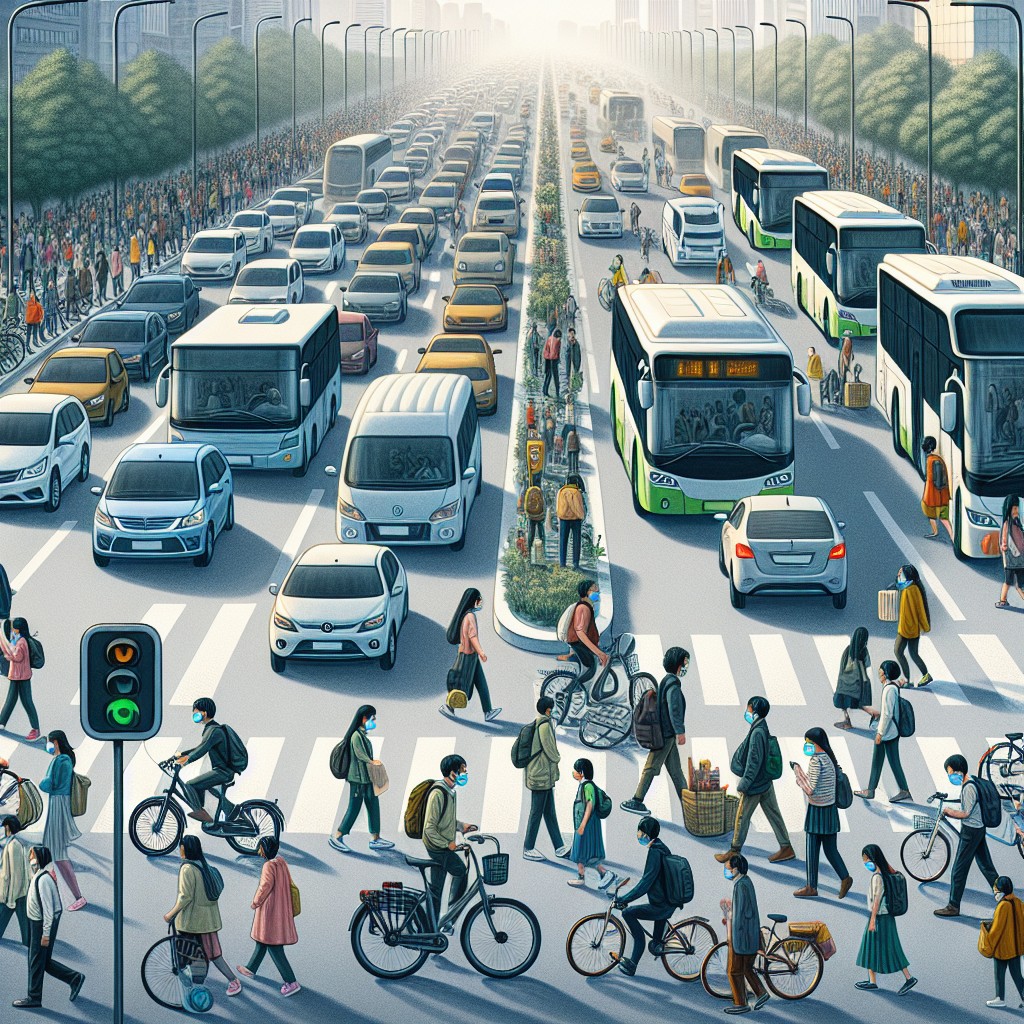
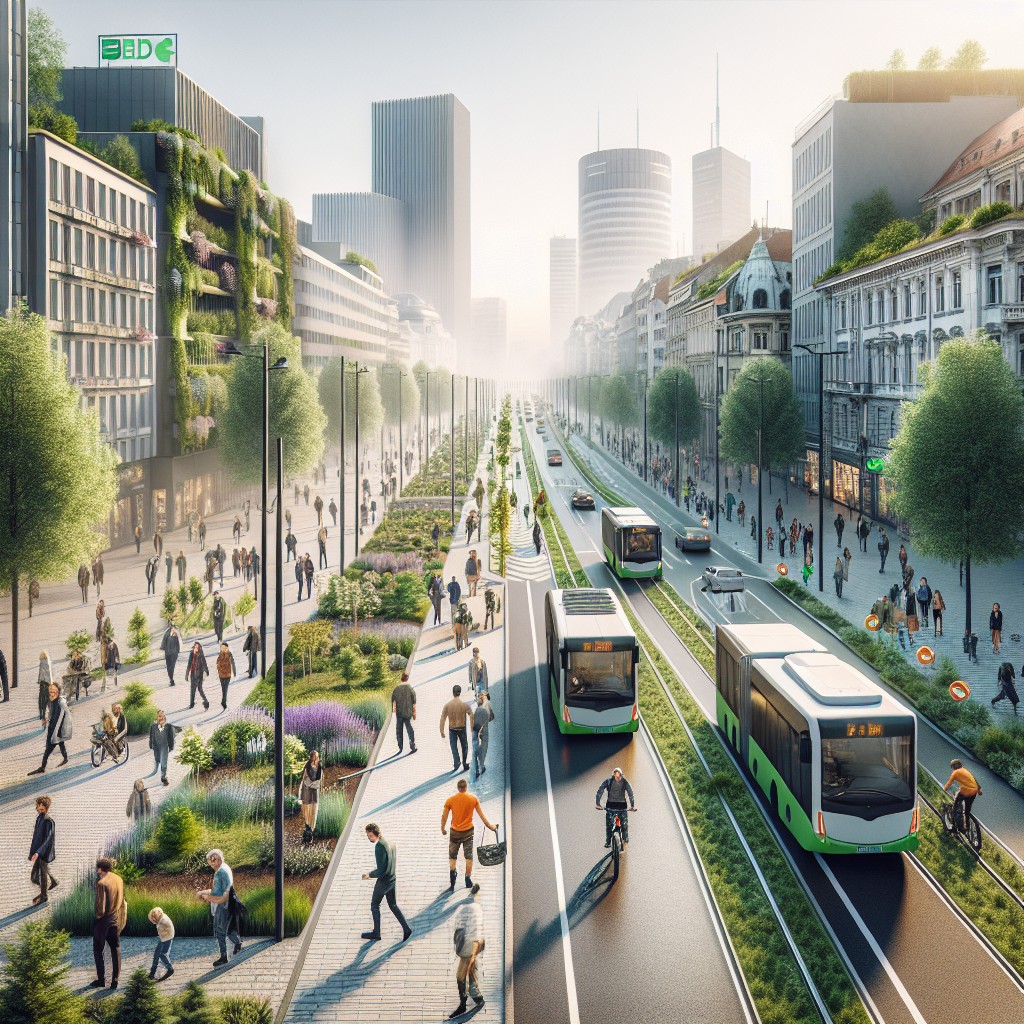
One major approach to cleaning urban air focuses on controlling traffic flow. Implementation of congestion charges, low-emission zones, and pedestrian-only areas reduces the volume of polluting vehicles in high-traffic urban cores. Additionally, incentivizing public transportation use and developing infrastructure for cycling and walking contribute to decreased reliance on personal vehicles. These traffic management policies are designed to lower emissions at source, thereby reducing pollutant exposure for people in busy streets.
Urban Green Spaces and Natural Filters
Introducing and maintaining green spaces within urban environments provide natural means to improve air quality. Trees and vegetation can absorb certain pollutants, filter dust particles, and increase oxygen levels. Many cities now incorporate urban forestry and green roofs into their air quality strategies. While these natural solutions compliment other measures, they are not sufficient alone to resolve severe pollution but can effectively reduce pollutant concentrations on busy streets.
Community Engagement and Awareness
Public awareness campaigns and community involvement have been instrumental in reinforcing policies aimed at urban air cleanup. Education on the health risks associated with poor air quality encourages behavioral changes such as reduced car usage and increased support for sustainable urban transport options. Collaboration between policymakers, scientists, and citizens ensures that policies remain relevant, effective, and balanced with human activity in dense urban settings.
In conclusion, policies directed at urban air cleanup, particularly in busy streets, are multifaceted and require the integration of regulatory measures, traffic management, green infrastructure, and public participation. These combined efforts are essential to significantly reduce exposure to pollutants and secure lasting improvements in clean air for urban populations. Future developments will likely emphasize more advanced monitoring technologies and collaborative frameworks to maintain momentum in air quality improvements.
Frequently Asked Questions about clean air
What is clean air and why is it important in urban areas?
Clean air refers to air that is free from harmful pollutants and safe to breathe. In urban areas, maintaining clean air is crucial because high levels of pollution can cause serious health problems, especially in busy streets where exposure is greatest.
Which policies have proven effective in improving clean air on busy streets?
Policies such as enforcing vehicle emissions standards, establishing low-emission zones, congestion pricing, and promoting public transportation have shown effectiveness in reducing pollution and improving clean air on urban streets.
How do green spaces contribute to clean air in cities?
Green spaces act as natural filters by absorbing pollutants, trapping dust, and increasing oxygen levels, thereby contributing to cleaner air in densely populated urban environments.
Can technology play a role in maintaining clean air?
Yes, technology such as air quality monitoring sensors and data analysis tools helps city officials track pollution levels accurately and enforce policies to ensure urban areas maintain clean air standards.
What can individuals do to support clean air initiatives in busy streets?
Individuals can support clean air initiatives by using public transportation, reducing car usage, participating in community awareness programs, and advocating for policies that aim to reduce air pollution in urban areas.