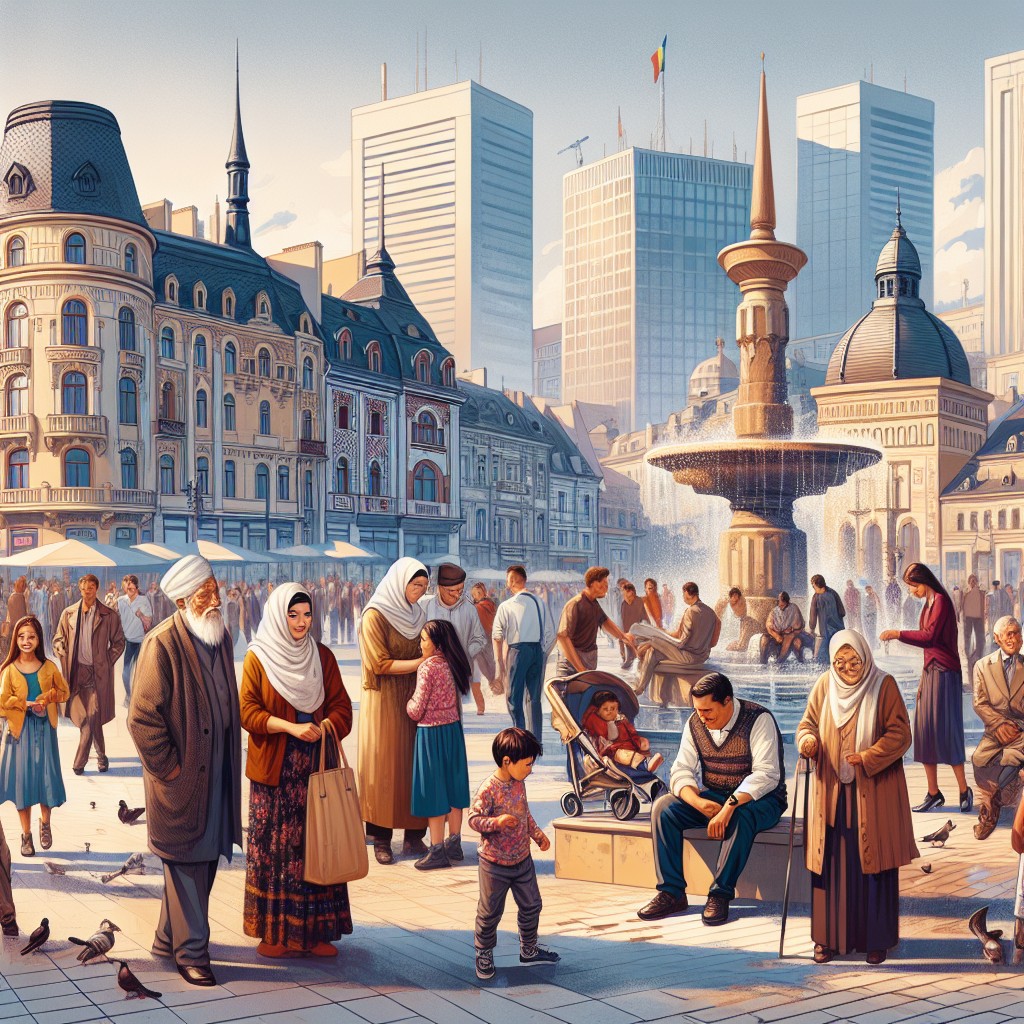
Romania is currently experiencing significant demographic shifts that are beginning to influence many aspects of its society and economy. Understanding these demographic trends is essential for policymakers, businesses, and citizens as they adapt to the evolving population landscape. This article examines the primary population changes occurring in Romania and their immediate effects.
Population Decline and Its Economic Impact
Romania has been facing a steady population decline over the past decades, primarily driven by low birth rates and high emigration rates. According to recent statistics, the country’s population has decreased by several million since the early 1990s. This reduction in population size is already affecting the labor market, with fewer working-age individuals available to support economic growth and social welfare systems. The shrinking workforce puts additional pressure on public finances and increases the risk of labor shortages in key sectors.
Ageing Population and Social Services Demand
The demographic trend towards an ageing population is one of the most pronounced changes in Romania. The median age has risen significantly due to longer life expectancy and sustained low fertility rates. This shift creates increased demand for healthcare and social services tailored to older adults. Pension systems are under strain as the ratio of retirees to active workers grows, leading to potential sustainability challenges. Local communities are also facing difficulties in providing adequate support for their elderly populations.
Urbanization and Regional Population Imbalances
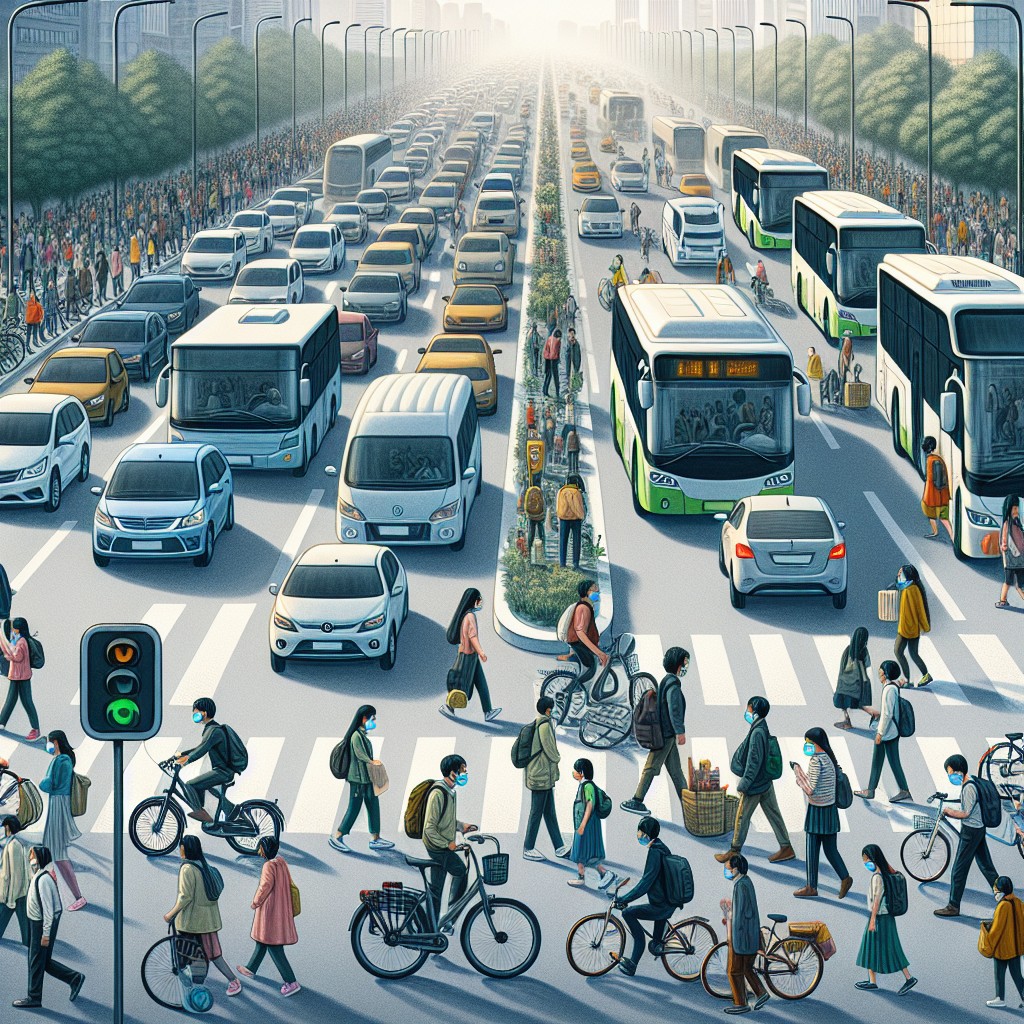
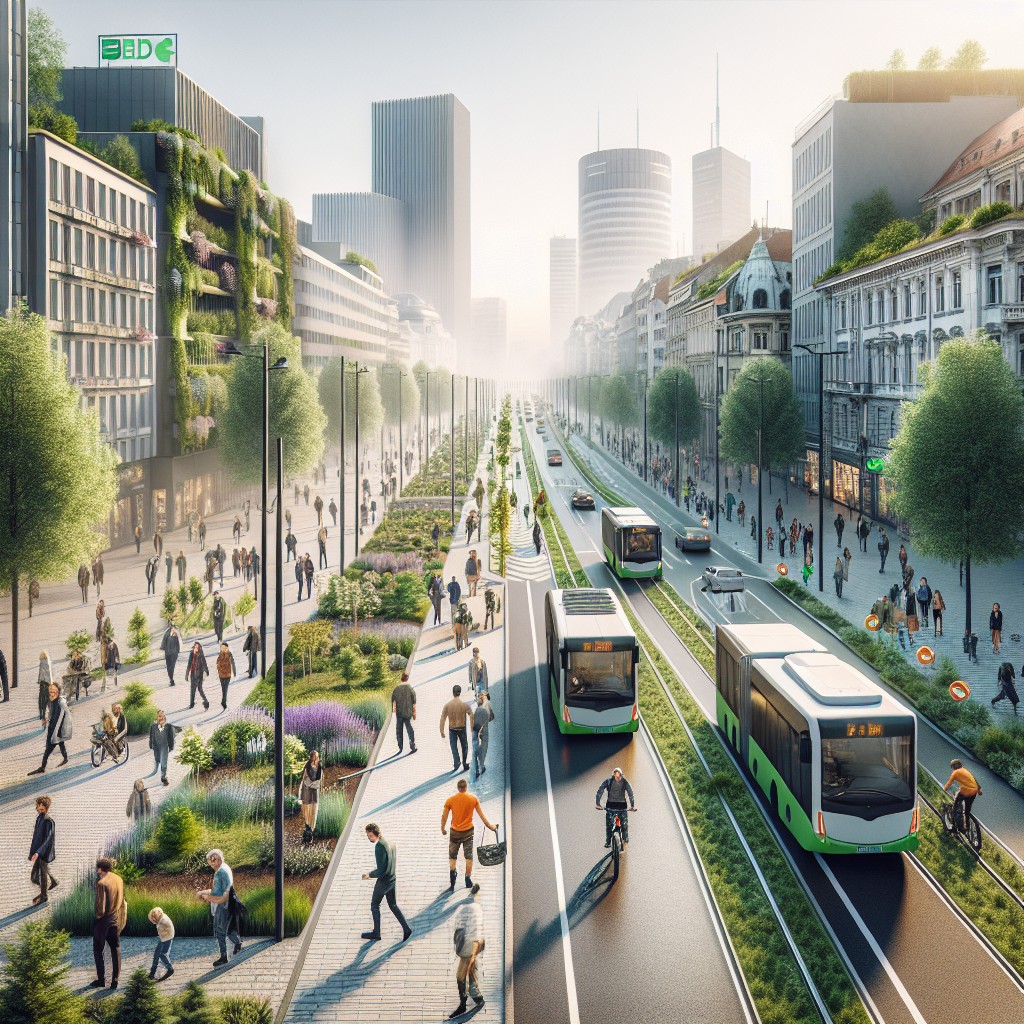
Romania’s demographic developments also include notable internal migration patterns. Many young people relocate from rural areas to urban centers in search of better education and employment opportunities. This movement exacerbates regional population imbalances, contributing to depopulation in some rural zones while placing strain on the infrastructure of major cities. Urban growth requires careful planning to accommodate increased housing, transport, and public services demand.
Changing Household Structures
Demographic shifts have influenced household compositions across Romania. There is a trend towards smaller households, with fewer children per family and a rise in single-person dwellings. Increasing life expectancy and other social factors have also led to more multigenerational homes. These changes have implications for housing policies, consumer behavior, and community dynamics. Businesses and service providers need to consider these evolving household patterns to meet customers’ needs effectively.
Educational and Workforce Challenges
Romania’s demographics impact the education system and future labor supply. Declining birth rates mean fewer students enrolling at all levels of education, which affects the sustainability of schools, especially in less populated regions. Additionally, the emigration of young professionals complicates efforts to maintain a skilled workforce. The Romanian government is focusing on strategies to improve education quality and retain talent, recognizing that these demographic factors are crucial for the country’s competitiveness and economic resilience.
The demographics of Romania reflect complex shifts that pose both challenges and opportunities. Monitoring these changes will help guide effective policies aimed at stabilizing population decline, supporting an ageing society, and promoting balanced regional development. Continuous adaptation and international cooperation are likely to play significant roles in addressing these demographic realities.
Frequently Asked Questions about demographics
What are the main demographic trends affecting Romania today?
The main demographic trends include population decline, an ageing population, increased urban migration, changing household structures, and challenges related to education and workforce supply.
How does Romania’s population change affect its economy?
Population decline and ageing result in a shrinking workforce and increased pressure on social welfare systems, impacting economic growth and public finances.
Why is urbanization significant in Romania’s demographics?
Urbanization leads to depopulation of rural areas and strains city infrastructure due to migration, influencing regional development and service demand.
What effect do demographic trends have on Romania’s social services?
Ageing population increases demand for healthcare and pensions, while changing household structures influence housing and community services.
Are demographic changes in Romania linked to migration?
Yes, emigration reduces the young working-age population, while internal migration alters regional population distribution and affects local economies.
More insights about demographics can be found through international statistics databases, providing a global context for Romania’s population changes.