Industrial robotics have revolutionized manufacturing and production lines across the globe, boosting efficiency and reshaping industries. However, as these machines become increasingly sophisticated and widespread, safety protocols are racing to adapt to the evolving technology to ensure worker protection and operational reliability.
Advancements in industrial robotics technology
Recent years have seen significant progress in the capabilities of industrial robotics. Enhanced sensors, improved artificial intelligence, and advanced automation systems allow robots to perform complex tasks with greater precision and autonomy. These improvements have expanded the use of industrial robotics beyond traditional manufacturing, into sectors such as logistics, healthcare, and even construction. This technological growth demands updated frameworks for safe human-robot interaction.
Current safety standards and their limitations
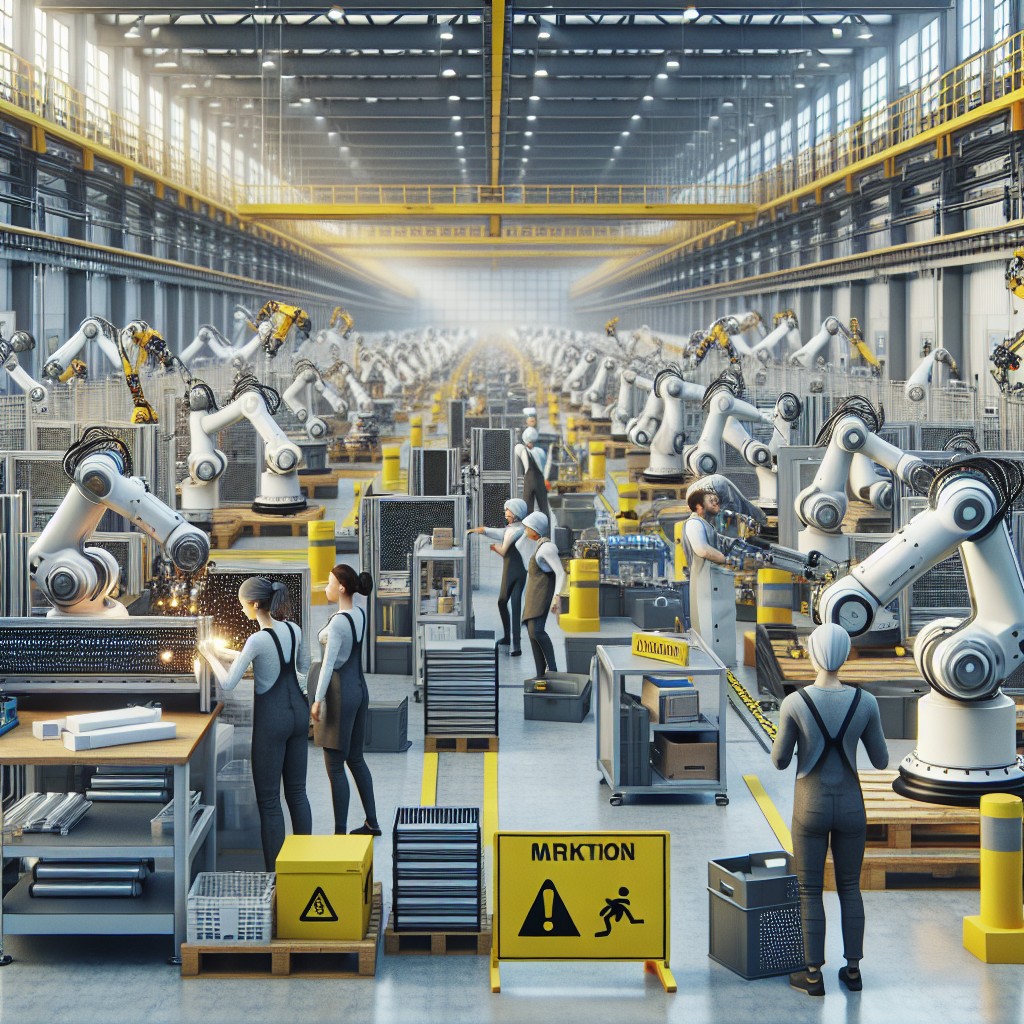
Existing safety standards for industrial robotics were primarily designed around earlier, less autonomous models. Organizations like the International Organization for Standardization (ISO) and the International Federation of Robotics (IFR) have developed guidelines focusing on physical barriers, emergency stop mechanisms, and safe distances between robots and human workers. Nevertheless, these rules struggle to address dynamic environments where collaborative robots (cobots) operate alongside humans without fencing or rigid separation.
Emerging regulations addressing new challenges
Authorities worldwide are updating regulations to keep pace with innovations in industrial robotics. For example, the European Union’s Machinery Directive now incorporates provisions for assessing risks specific to collaborative robot systems. In the United States, the Occupational Safety and Health Administration (OSHA) has issued interpretative letters emphasizing employer responsibilities in managing robot-related hazards. These efforts aim to reduce workplace injuries and fatalities linked to robot operations.
Integration of safety technologies in robotic systems
Manufacturers are increasingly embedding safety features directly into industrial robotics. Technologies such as force-limiting actuators, real-time collision detection, and advanced vision systems help robots recognize human presence and adjust their actions accordingly. This integration reduces reliance on external safety devices and enables more flexible working arrangements. The trend reflects a growing recognition that safety must be integral to both robot design and factory floor processes.
Future outlook and industry cooperation
As industrial robotics continue to evolve, the alignment between safety rules and technology will be crucial. Industry stakeholders, regulators, and safety experts are collaborating to develop adaptive standards that support innovation while protecting workers. International cooperation and standardized testing protocols will likely accelerate the adoption of best practices. The balance achieved between technological progress and safety will shape the sustainable growth of industrial robotics worldwide.
Frequently Asked Questions about industrial robotics
What does industrial robotics encompass in modern manufacturing?
Industrial robotics refers to the use of automated, programmable machines designed to perform tasks such as assembly, welding, and material handling within manufacturing environments.
How are safety concerns addressed when implementing industrial robotics?
Safety measures include compliance with international standards, use of physical barriers, installation of sensors for collision avoidance, and incorporation of safety mechanisms within the robots themselves.
Why is updating safety regulations important for industrial robotics?
Updating safety regulations is essential to accommodate new technologies like collaborative robots, which operate alongside humans and require dynamic risk assessments unlike traditional robotic systems.
What role do manufacturers play in industrial robotics safety?
Manufacturers design robots with built-in safety features and provide guidance on safe operation to ensure that industrial robotics can be used effectively and securely in various settings.
How can companies stay informed about industrial robotics safety standards?
Companies can follow publications from authoritative bodies such as the International Federation of Robotics and regulatory agencies, participate in industry forums, and engage with safety consultants specializing in robotics.