Romanian cities have long faced challenges related to environmental pollution, particularly regarding air quality. As urban populations grow and industrial activities continue, the need for effective strategies to reduce air pollution becomes increasingly urgent. This article explores current air quality issues in Romania and highlights practical measures that can accelerate improvements.
Current State of Air Quality in Romanian Urban Areas
The air quality in many Romanian cities, including Bucharest, Cluj-Napoca, and Iași, often falls below European Union standards. According to reports from the European Environment Agency, pollutants such as particulate matter (PM10 and PM2.5), nitrogen dioxide, and ozone regularly exceed safe limits. The primary sources include traffic emissions, industrial outputs, and residential heating. These elements contribute to health problems ranging from respiratory issues to cardiovascular diseases.
Government Initiatives and Regulations Targeting Air Quality
The Romanian government has implemented several measures aimed at enhancing air quality. These include stricter emissions standards for vehicles, promotion of cleaner public transport, and regulations limiting industrial pollution. Additionally, Romania has committed to the EU’s Green Deal objectives, which emphasize reducing greenhouse gas emissions and improving urban air conditions. Despite these efforts, enforcement and infrastructure development remain areas requiring significant improvement to rapidly affect air quality.
Role of Public Transportation and Traffic Management
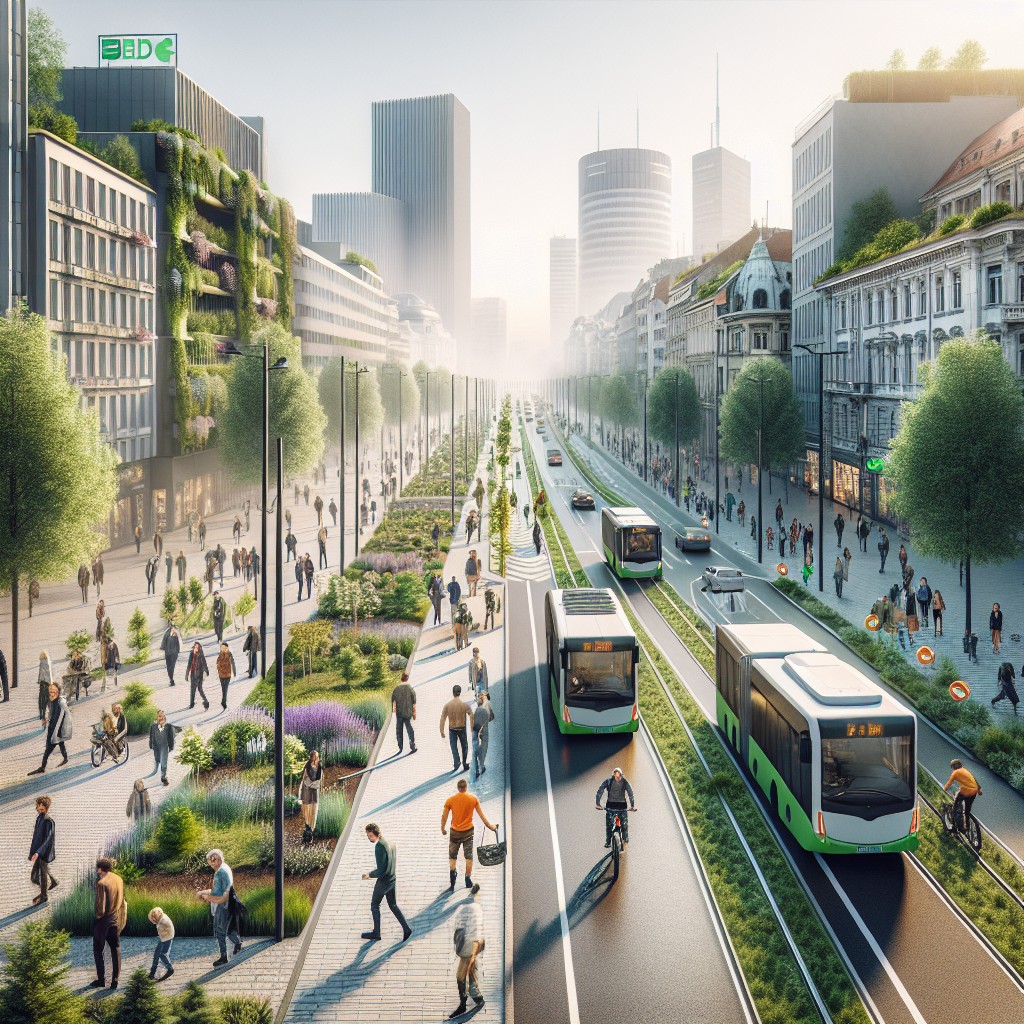
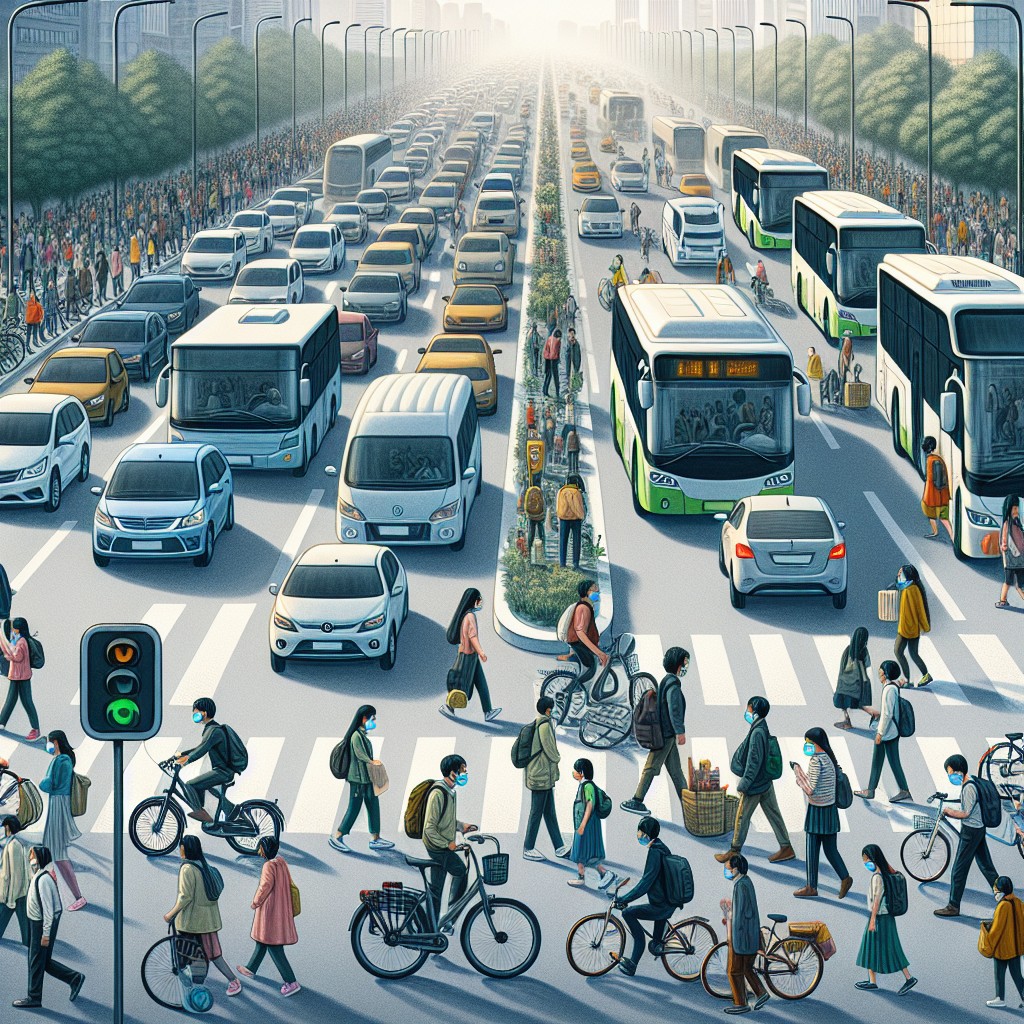
Transportation is a major contributor to poor air quality in Romanian cities. Increasing the efficiency and reach of public transportation systems is a practical step that several municipalities are adopting. Investments in electric buses and tram lines have begun, targeting not only emissions reduction but also congestion alleviation. Furthermore, traffic management measures, such as the creation of low-emission zones and improved traffic flow optimization, are being piloted to limit vehicular pollution, directly impacting air quality positively.
Innovative Technologies and Urban Planning for Cleaner Air
Urban planning plays a vital role in the mitigation of pollution. Incorporating green spaces and vegetation can naturally improve air quality by filtering pollutants and producing oxygen. Additionally, the adoption of smart sensors and air quality monitoring technologies allows for real-time data collection, enabling targeted responses to pollution spikes. Cities like Cluj-Napoca have started integrating these technologies, which help authorities implement tailored interventions that effectively reduce harmful emissions.
Community Engagement and Awareness as Catalysts for Change
Public awareness campaigns focused on the health impacts of air pollution are critical for driving behavioral change. Residents encouraged to reduce private car usage, properly maintain heating systems, and waste less can collectively enhance air quality. Non-governmental organizations and local administrations frequently organize educational programs and community activities aimed at fostering sustainable practices. Such community involvement accelerates progress by complementing regulatory and technological advances.
Improving air quality in Romanian cities requires a multifaceted approach, combining policy, technology, infrastructure, and citizen engagement. Continuous monitoring and adaptive strategies will be key to overcoming existing challenges efficiently.
In conclusion, while Romanian urban areas face significant air quality issues, practical steps such as enhancing public transportation, implementing smart urban planning, enforcing environmental regulations, and promoting community involvement indicate promising directions. With sustained commitment and innovation, faster improvements in air quality can be achieved, contributing to healthier environments and better quality of life for residents.
Frequently Asked Questions about air quality
What factors most significantly affect air quality in Romanian cities?
The primary factors impacting air quality in Romanian cities are vehicle emissions, industrial pollution, and residential heating using solid fuels. These sources release pollutants that degrade the air and pose health risks.
How can public transportation improvements influence air quality?
Enhancing public transportation systems reduces reliance on private vehicles, lowering emissions. Cleaner and more efficient transit options directly contribute to better air quality by decreasing traffic-related pollution.
Are there technologies that help monitor air quality effectively?
Yes, modern air quality sensors and monitoring networks provide real-time data that assist authorities in identifying pollution hotspots and responding quickly, helping to maintain and improve air quality.
What role does citizens’ behavior play in air quality?
Citizens influence air quality through their transport choices, energy use, and waste management. Increased awareness and sustainable behaviors can significantly reduce pollution levels.
Where can I find reliable information about air quality standards and improvements?
Reliable information about air quality can be found on authoritative websites such as the World Health Organization, which provides guidelines and updates on air quality worldwide.