As technology rapidly advances, the concept of humanoid robots integrating into daily life has become a topic of growing interest worldwide. In Romania, the discussion around humanoid robots often raises questions about what households can realistically anticipate by 2026. While the prospect of domestic robots performing complex tasks might excite many, experts emphasize a measured outlook based on current progress and market trends.
Current state of humanoid robot technology
Humanoid robots, designed to mimic human appearance and behavior, have seen significant improvements in recent years. Advances in artificial intelligence, sensors, and mobility systems have enabled these machines to perform increasingly diverse functions. However, most of the existing robots excel primarily in controlled environments such as manufacturing lines or research facilities rather than domestic settings. This is due to the complexity of unpredictable home environments and the necessity for adaptive learning.
Potential applications for Romanian households
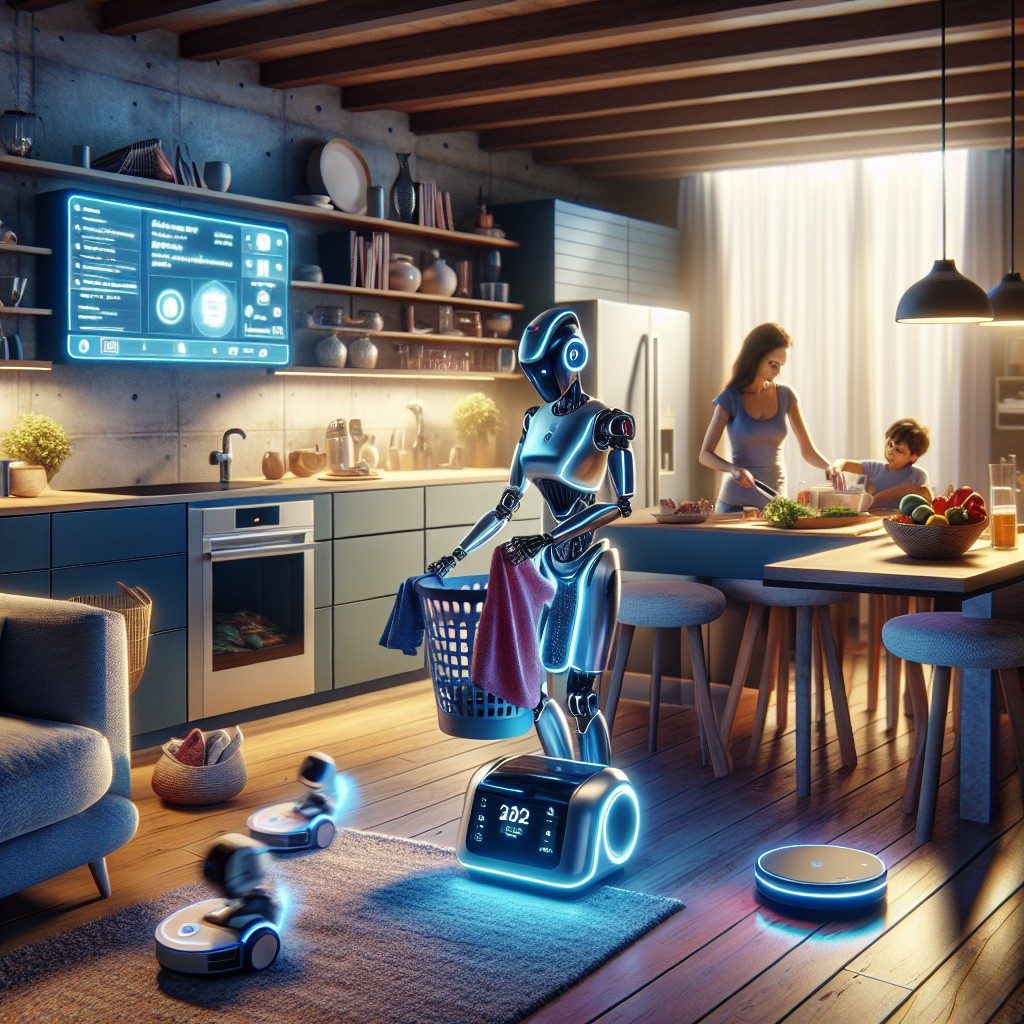
In Romanian homes, humanoid robots in 2026 are expected to assist with limited tasks rather than fully replace human activities. Robots may help with routine chores like vacuuming, simple cleaning, or acting as smart assistants capable of managing schedules and controlling connected devices. Full-fledged humanoid robots capable of complex caregiving or childcare duties remain unlikely in average homes within this timeframe, given current technical and cost constraints.
Cost and accessibility considerations
The price of humanoid robots remains a significant factor limiting widespread household adoption. Advanced models equipped with sophisticated AI and dexterous manipulation capabilities often cost tens of thousands of euros. For Romanian consumers, this places fully functional humanoid robots out of reach for the majority of families in 2026. More affordable options might include companion-like robots with limited functionalities designed primarily for entertainment or basic interaction.
Infrastructure and societal readiness in Romania
Beyond technology and cost, Romania’s infrastructure and societal acceptance play crucial roles in the integration of humanoid robots. The country’s ongoing digitalization efforts, including increased internet penetration and smart home device adoption, create a favorable environment. However, there remain challenges in terms of public education, trust, and legal frameworks to ensure safe, ethical, and efficient use of robots at home. Addressing these issues is essential before a significant number of Romanian households embrace humanoid robots.
Outlook for 2026 and beyond
By 2026, Romanian households can anticipate more visible, but still limited, use of humanoid robots primarily as smart home assistants and basic task performers. The technology will continue evolving with gradual improvements in adaptability and affordability. The complete integration of multipurpose humanoid robots performing complex household functions remains a longer-term prospect, dependent on breakthroughs in AI, robotics, and societal acceptance.
Frequently Asked Questions about humanoid robots
What are humanoid robots designed to do in household settings?
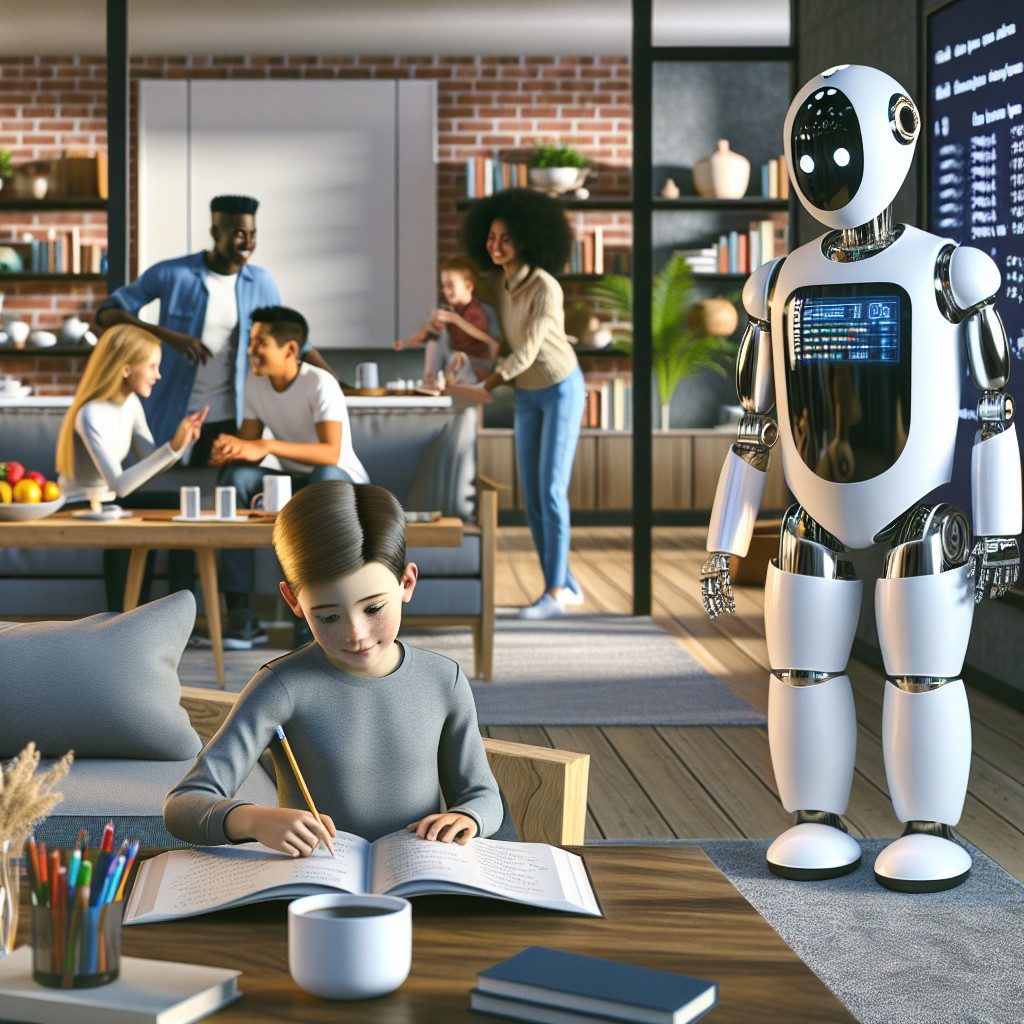
Humanoid robots are designed to assist with everyday tasks such as cleaning, managing smart devices, or providing companionship. However, in 2026, their household roles in Romania will likely be limited to basic functions rather than complex caregiving.
Will humanoid robots be affordable for most Romanian families by 2026?
Most advanced humanoid robots are expected to remain expensive in 2026, making them less accessible to the average Romanian household. More affordable models may offer limited functionalities primarily for assistance or entertainment.
Are humanoid robots safe for use in Romanian homes?
Safety depends on proper programming, maintenance, and regulation. Romania is working on developing legal frameworks and standards to ensure that humanoid robots used domestically meet safety requirements.
How advanced will humanoid robots be in handling unpredictable household tasks?
While progress in AI enables some adaptation, humanoid robots may still struggle with complex or highly variable tasks in domestic environments by 2026. Their effectiveness will be higher in structured or predictable conditions.
What factors influence the adoption of humanoid robots in Romania?
Key factors include technological development, cost, public acceptance, infrastructure readiness, and regulatory environment. These together will determine how widely humanoid robots are utilized in Romanian homes in the near future.